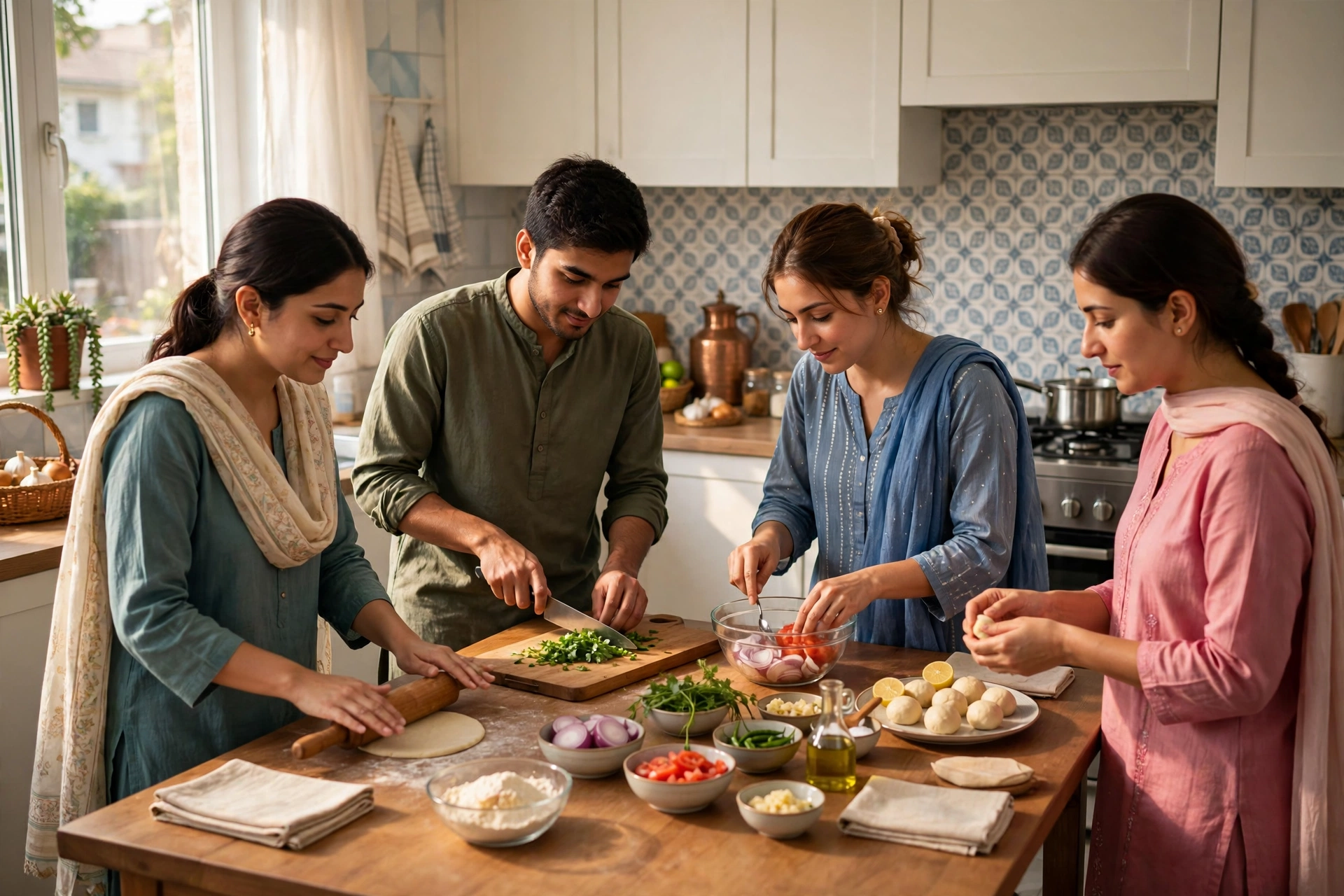

How do you make soft, round rotis? The short answer is practice, and a few steady habits. Rotis are not about strength, and they are not about a special board or rolling pin. They are about dough that is soft enough, rested enough, and rolled evenly, then cooked quickly on a hot tawa.
Almost every home cook has made a roti that came out stiff, or shaped like a map. That is normal, especially at first. The difference between a stiff roti and a soft one is usually small: dough that was a little too dry, a tawa that was not hot enough, or a roti left on the heat too long. Fix those small things, and soft rotis become a habit, not a hope.
This guide covers the habits behind soft, round rotis, step by step. It is the kind of everyday skill taught in the Everyday Cooking Course, where you can practise, ask questions, and see the technique up close.
Start with soft, rested dough
Soft rotis start with soft dough. Mix flour with water a little at a time, until the dough comes together and feels soft and smooth, not sticky and not stiff. Knead it gently until it feels even, then cover it and let it rest. Resting matters more than most beginners expect: rested dough rolls more easily, stretches without tearing, and gives a softer roti.
If the dough feels stiff, add water a teaspoon at a time and knead again. If it feels sticky, dust your hands lightly with flour, rather than adding a lot of flour to the dough itself. Too much extra flour in the dough will make the roti dry, even if it rolls well. Aim for dough that is soft to the touch and holds its shape when you press it.
Divide the dough into even balls, about the same size, so the rotis cook evenly. Roll each ball lightly in flour, flatten it with your palm, and keep the rest of the dough covered while you work, so it does not dry out.
Roll evenly, not forcefully
To roll a round roti, start from the centre and roll outwards, turning the roti a little after each roll. Light, even pressure is better than heavy pressure in one direction. Heavy pressure makes one side thin and the other thick, and a roti that is uneven will cook unevenly, with thin parts going crisp while thick parts stay doughy.
Turn the roti often, and dust lightly with flour only when it sticks. If the shape goes uneven, do not worry — gently pull the thicker side out, or roll that side a little more. Roundness improves with practice, and a slightly uneven roti that is soft and well-cooked is still a good roti. Perfection in shape is less important than even thickness.
Roll to a medium thickness, not paper-thin and not thick like a paratha. A roti that is too thin will dry out on the tawa, while a roti that is too thick will stay doughy inside. With practice, you will feel the right thickness in your hands, and you will roll faster without thinking about each turn.
Cook hot and quick, then keep them soft
Heat the tawa until it is hot, but not smoking. Place the roti on the dry tawa and cook until small bubbles appear, then flip it. Cook the second side until light brown spots appear, then flip again and press gently with a clean cloth or spatula, so the roti puffs. Puffing is a good sign: it means steam is trapped inside, which keeps the roti soft.
Do not cook a roti for too long on a low heat. Slow cooking dries it out, while hot, quick cooking keeps it soft. If your roti does not puff, check the heat and the thickness first, before changing anything else. A tawa that is not hot enough, or a roti rolled too thick, are the most common reasons.
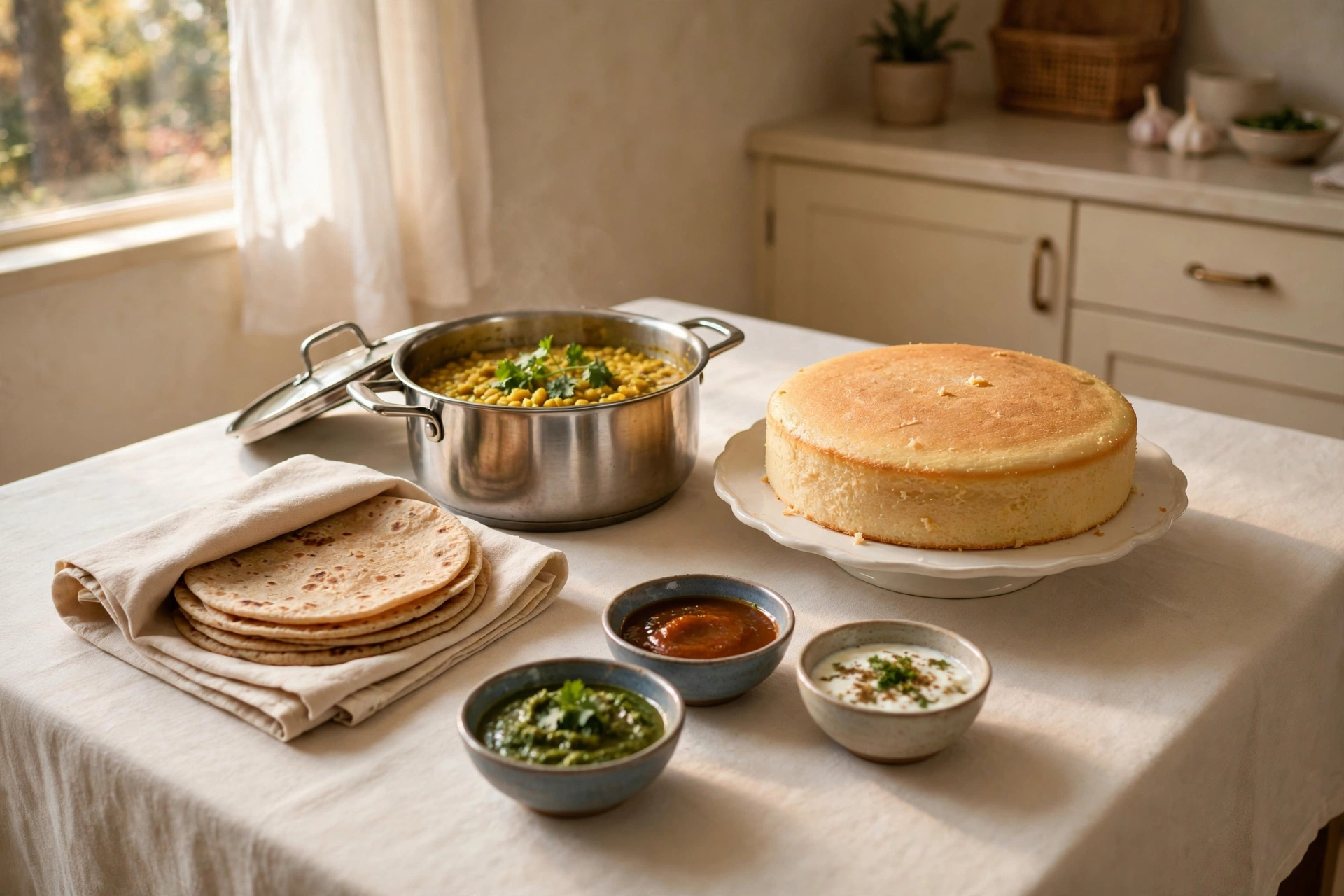
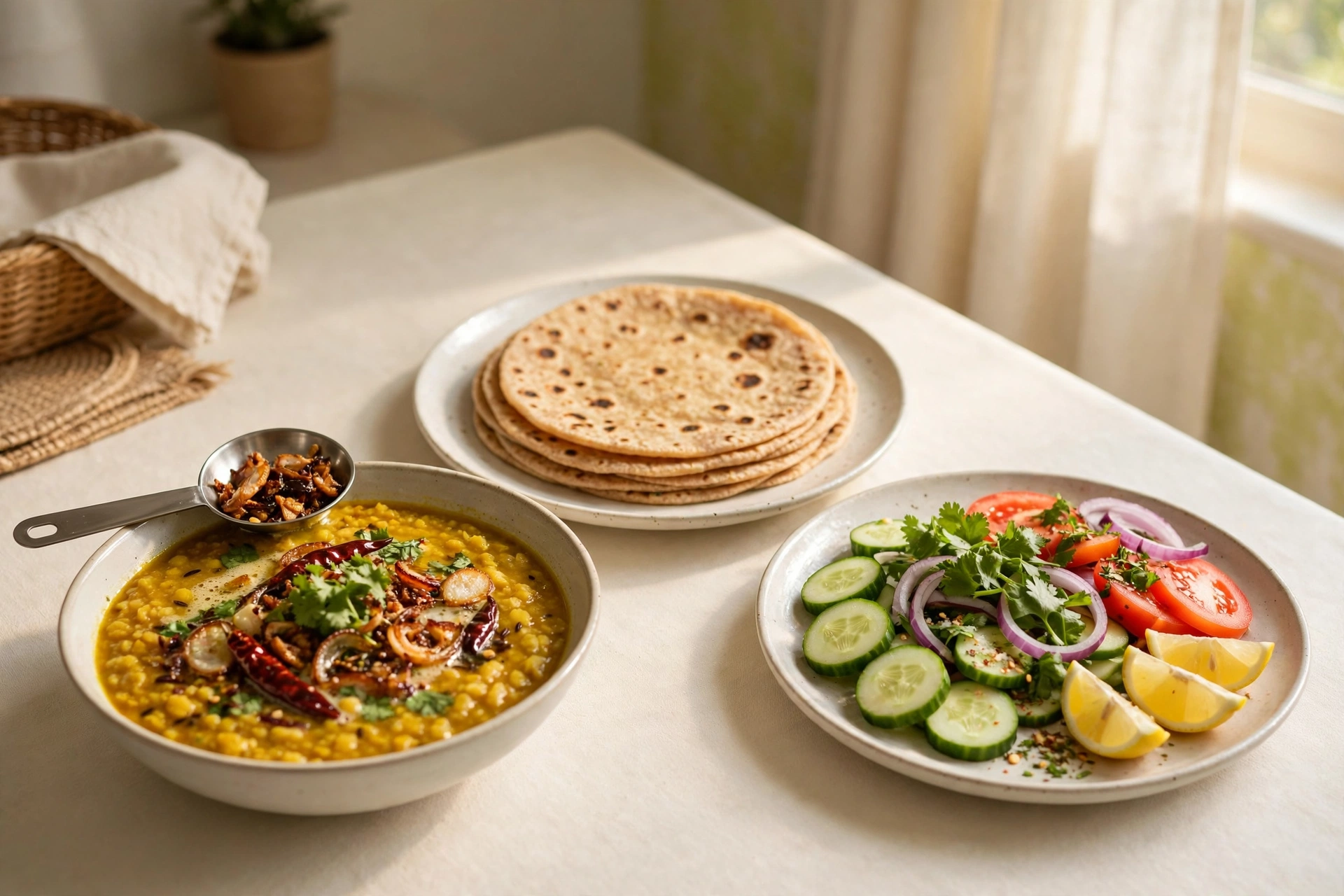
As each roti finishes, place it in a clean cloth or a covered container, so the steam keeps the stack soft. A roti left uncovered on a plate will stiffen quickly, even if it was soft when it came off the tawa. Serve rotis warm, with daal, curry, or karahi, and they will stay soft through the meal.
Practise, then learn in person
Rotis improve fastest with someone watching your hands: how you knead, how you roll, and how you judge the heat. That is hard to learn from words alone, which is why everyday skills are taught in person.
The Everyday Cooking Course covers home-style dishes — daal, rotis, curries, karahi, BBQ, samosas, pakoras, chaat, chutneys, biryani and pulao. Classes are in person in Rawalpindi and Islamabad, hands-on, and in small batches. You register on the website and ARONISA calls to confirm the batch, timing, and fee. See the latest details and register for a course if you would like to practise rotis and other everyday skills in person.
FAQ
Why are my rotis stiff?
Usually dough that was too dry, a tawa that was not hot enough, or cooking too long on low heat. Use soft, rested dough, a hot tawa, and cook quickly.
Why won’t my rotis puff?
Check thickness and heat first. A roti rolled too thick, or cooked on a tawa that is not hot enough, will often stay flat even if the dough is good.
How do I keep rotis soft after cooking?
Stack them in a clean cloth or covered container straight away, so steam keeps them soft. Do not leave them uncovered on a plate.
A friendly next step
Make a small batch, focus on soft dough and even rolling, and keep the stack covered. Soft, round rotis are a practice skill — each batch will be a little better than the last.