
Which ARONISA course is right for me? The answer depends on what you want to cook, and what you want to feel confident about. ARONISA offers three courses, all in person in Rawalpindi and Islamabad, hands-on, and in small batches. They share the same way of learning, but they cover different parts of the kitchen.
If you want everyday home cooking, choose Everyday Cooking. If you want baking and desserts, choose Desserts & Baking. If you want both, plus hosting skills, choose Complete Kitchen. That simple split will help most people decide, and the detail below will help you check your choice.
This guide compares the three courses by what they cover, who they suit, and how to register. It does not claim one course is better than another — the best course is the one that matches what you cook at home.
Everyday Cooking Course: for daily home meals
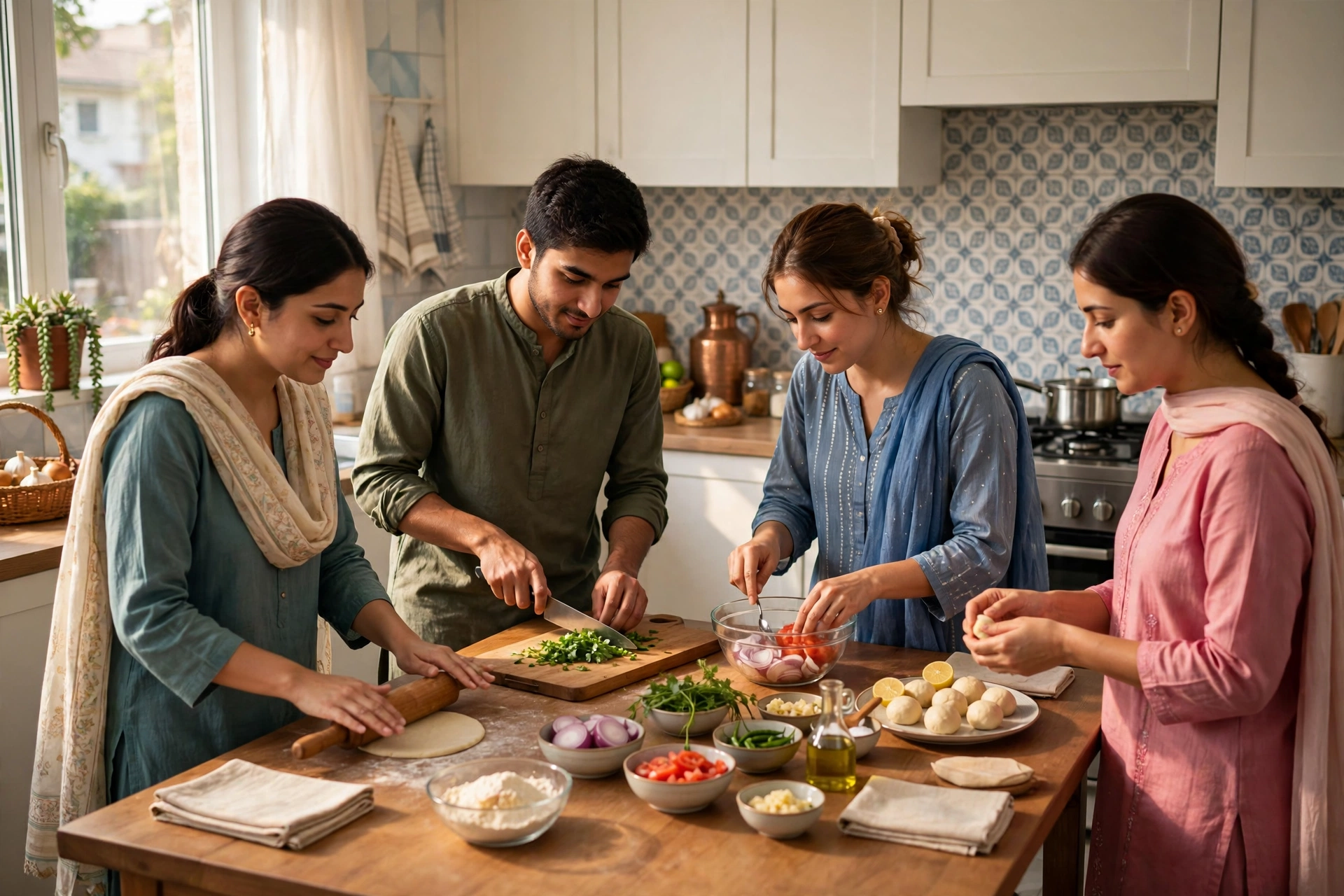
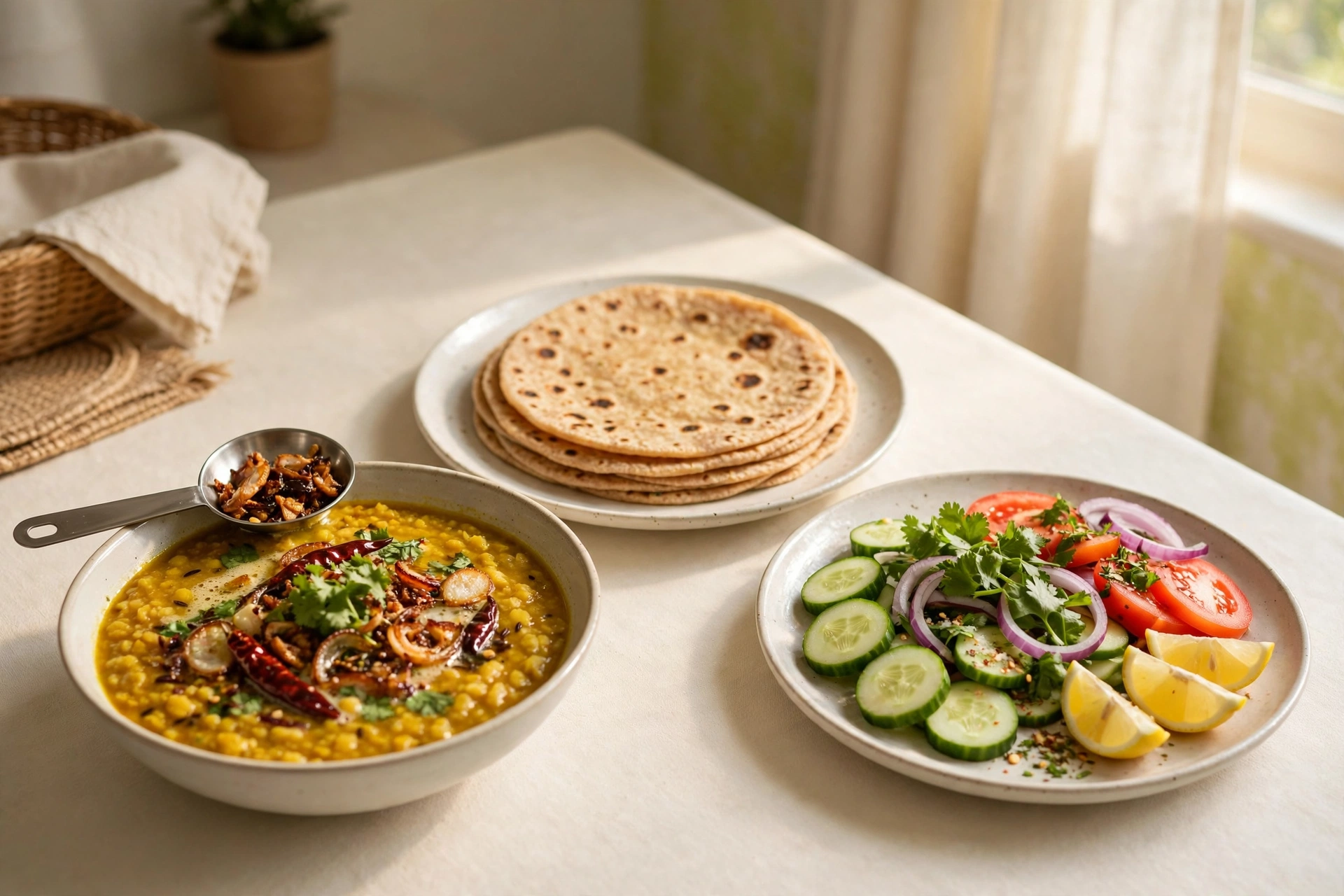
The Everyday Cooking Course covers home-style dishes: daal, rotis, curries, karahi, BBQ (tikka, seekh kebab), samosas, pakoras, chaat, chutneys, biryani and pulao. If your daily question is “what shall I cook today?”, this course is built for that question.
It suits home cooks who want to feel confident with everyday meals, newly married couples starting a kitchen together, and anyone who wants to cook Pakistani home food well, step by step. The skills are practical and repeatable: soft rotis, a good daal tarka, a karahi that tastes like home, and snacks for tea-time and guests.
Choose Everyday Cooking if you mostly cook savoury meals, if you want to host family dinners with confidence, or if you feel your everyday cooking needs a stronger foundation. It is the course for the kitchen you use every day.
Desserts & Baking Course: for cakes, baking, and sweet dishes
The Desserts & Baking Course covers baking basics, sponge and layer cakes, frosting and piping, cupcakes, brownies, kheer, gulab jamun, no-bake desserts, and cookies. If your interest is in baking — cakes for birthdays, desserts for guests, or sweet dishes for tea-time — this course is built for that interest.
It suits home bakers who want to learn sponge, frosting, and piping properly, parents who want to bake for birthdays at home, and anyone who enjoys desserts but wants guidance on technique. The skills include smooth frosting on a layer cake, piping, and traditional desserts such as kheer and gulab jamun, alongside modern baking such as brownies and cookies.
Choose Desserts & Baking if you mostly bake, if you want to make celebration cakes at home, or if desserts are the part of cooking you enjoy most. It is the course for the sweet side of the kitchen.
Complete Kitchen Course: for both, plus hosting
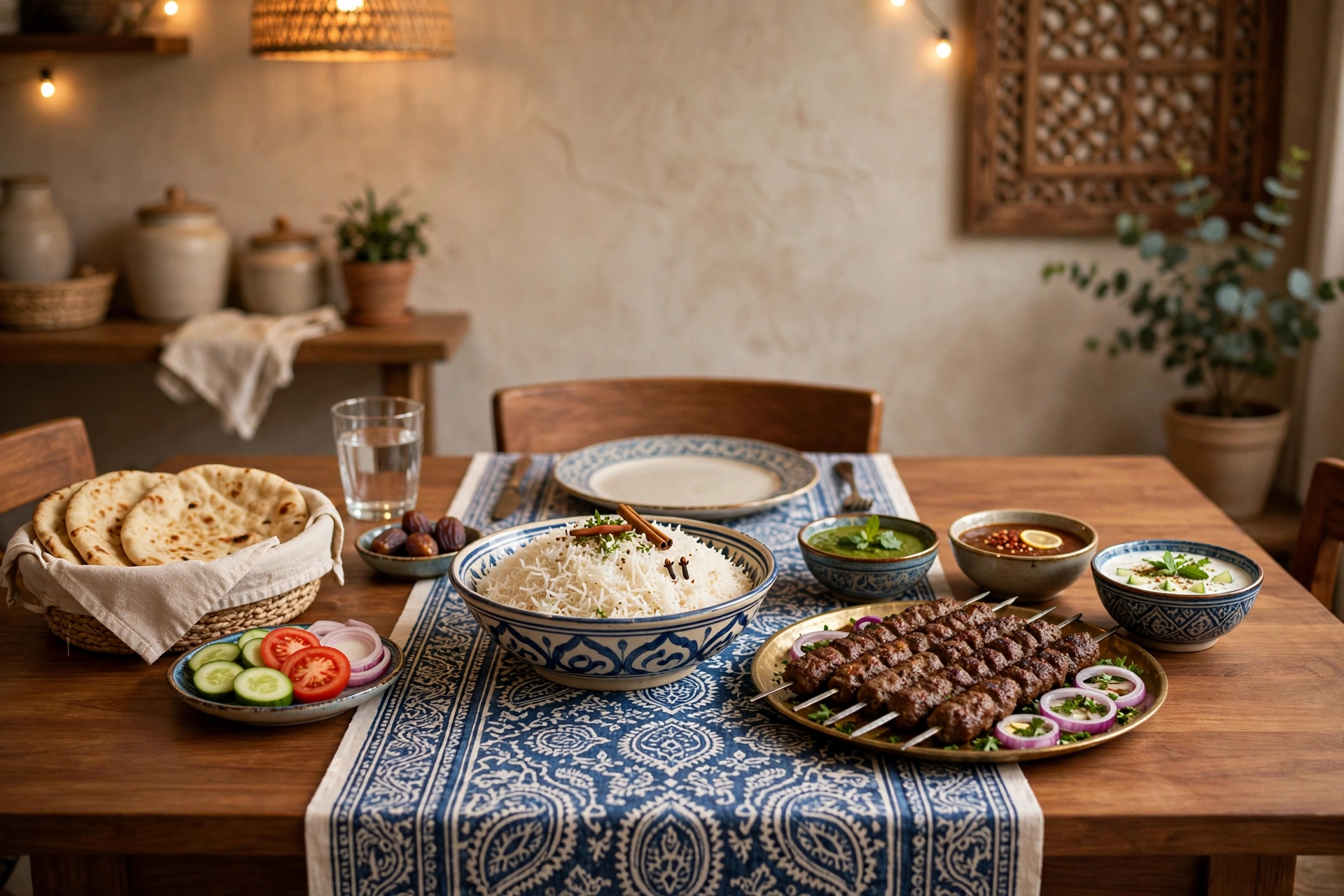
The Complete Kitchen Course brings both courses together, plus dawat menu planning, plating, and cooking for a crowd. If you want everyday cooking and baking, and you also want to host with confidence, this course covers all three.
It suits home cooks who want a complete foundation, people who host dawats and wedding-season gatherings, and anyone who does not want to choose between cooking and baking. The extra hosting skills — menu planning, plating, and cooking for a crowd — are what set this course apart from taking the other two separately in outline.
Choose Complete Kitchen if you cook and bake, if you host often, or if you want one course that covers the whole kitchen, from daal to dessert to dawat table. It is the course for cooks who want to do it all.
How to decide in two minutes, and how to register
First, think about what you cook most. If it is savoury everyday meals, lean towards Everyday Cooking. If it is cakes and desserts, lean towards Desserts & Baking. If it is both, and hosting, lean towards Complete Kitchen.
Second, think about what you want to feel confident about in three months. A course should change what you cook at home, not just what you know in theory. Choose the course whose skills you will actually use week after week.
To register, go to the ARONISA courses page and register for a course. There is no online payment — you register on the website and ARONISA calls to confirm the batch, timing, and fee. Classes are in person in Rawalpindi and Islamabad, hands-on, and in small batches.
FAQ
Can I learn both cooking and baking in one course?
Yes, in outline, in the Complete Kitchen Course, which brings both courses together, plus dawat menu planning, plating, and cooking for a crowd.
Which course is best for a beginner?
All three are taught hands-on, step by step, in small batches. Choose by what you want to cook — everyday meals, desserts and baking, or both plus hosting — rather than by level alone.
How do I register for an ARONISA course?
Register on the website and ARONISA calls to confirm the batch, timing, and fee. There is no online payment. See the courses page and register link for the latest details.
A friendly next step
Choose by what you cook most, and what you want to feel confident about. Then register, and let a hands-on course turn that choice into skills you use every week.