
How do you make a perfect daal tarka? Start with well-cooked daal, then add a tarka — a tempering of spices in hot ghee or oil — at the right moment. That tarka is what turns plain daal into daal tarka: warm, fragrant, and full of flavour, without needing a long list of ingredients or a complicated method.
Daal tarka is one of the most forgiving home dishes, and one of the most loved. It suits a weekday dinner, a family meal, and a dawat table alike, served with rotis, rice, and salad. The difference between a good daal tarka and a great one is usually timing: daal cooked until soft, tarka added while hot, and the dish served soon after, so the fragrance is still fresh.
This guide gives you the steps for a reliable daal tarka, every time. It is an everyday skill taught in the Everyday Cooking Course, alongside rotis, curries, karahi, and other home-style dishes.
Cook the daal until it is truly soft
Start by rinsing the daal well, then cooking it with water, turmeric, and salt until it is soft and breaks down easily. The daal should be creamy, not watery and not grainy. If it still holds its shape, cook it a little longer, adding hot water if needed. Soft daal absorbs the tarka better, and gives the dish its smooth, comforting texture.
Once cooked, mash the daal lightly with a spoon or whisk, until it is smooth but still has a little body. Do not blend it to a completely smooth puree, unless you prefer it that way — a little texture is part of daal tarka. Taste and adjust salt at this stage, before the tarka, so the final dish is seasoned evenly.
Keep the daal warm while you prepare the tarka. A warm base will take the hot tarka well, and the flavours will meld as soon as the tarka is poured over. If the daal cools too much, warm it gently before adding the tarka, so the dish is served hot.
Make the tarka, and add it hot
The tarka is made by heating ghee or oil in a small pan, then adding spices in order, so each one blooms without burning. A simple tarka might start with cumin seeds, then garlic, then dried red chilli, and finish with a pinch of garam masala or fresh coriander, depending on your taste. The exact spices can vary by family and region, and that variation is part of what makes daal tarka feel like home.
Heat the ghee until it is hot but not smoking, add the cumin and let it sizzle, then add garlic and cook until golden, not dark. Dark garlic will taste bitter, so watch it closely and remove the pan from the heat as soon as the garlic turns golden. Add chilli and other spices quickly, stir once, and pour the whole tarka over the warm daal immediately. You should hear a sizzle as it hits the daal — that sizzle is a good sign.
Cover the pot for a minute after adding the tarka, so the fragrance stays in the dish. Then stir gently, taste once more, and serve. A squeeze of lemon, if you like it, can be added at the table, rather than in the pot, so each person can choose.
Serve simply, and make it a meal
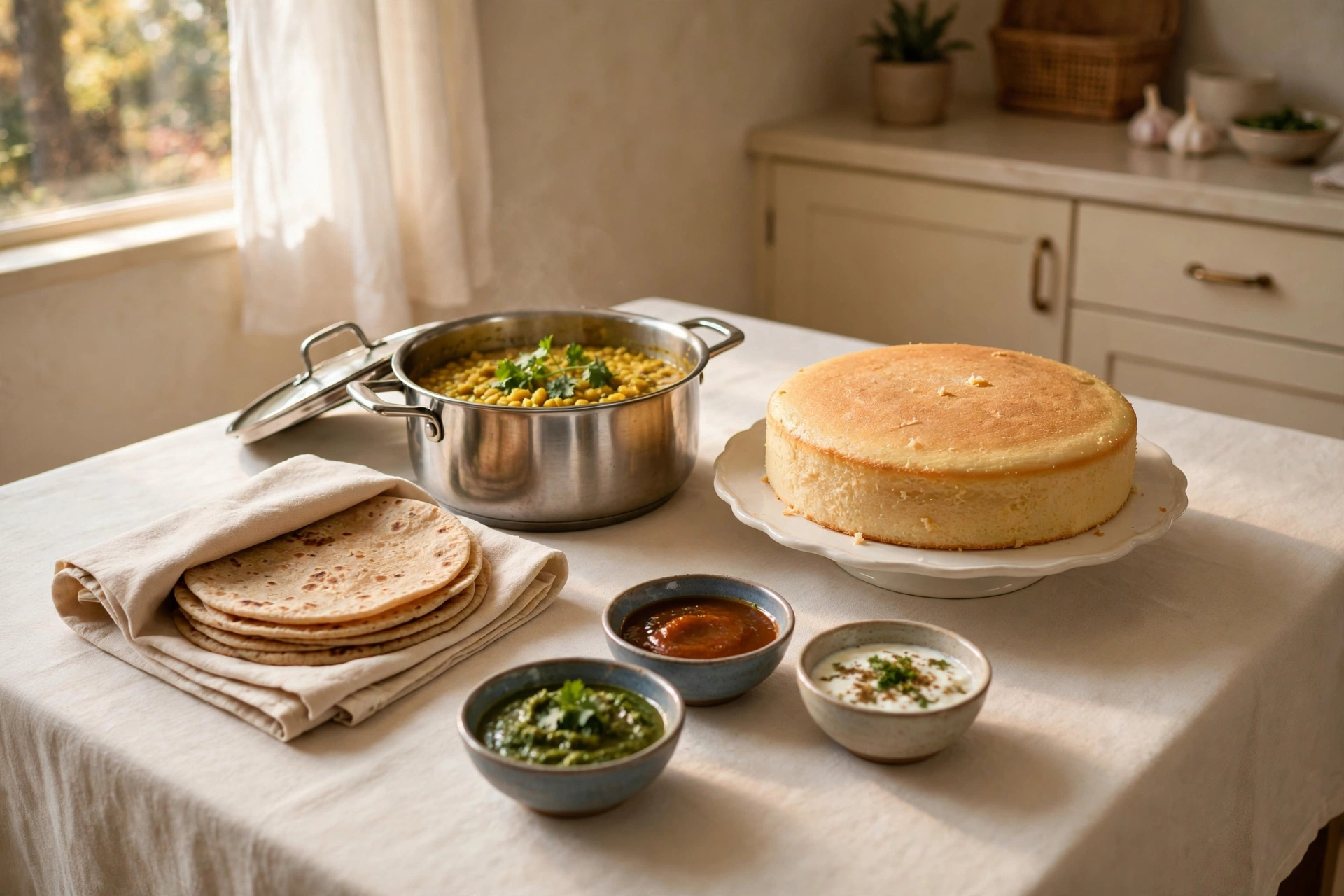
Daal tarka needs little else to become a meal. Serve it with soft rotis, or with rice, and a simple salad of onion, tomato, and cucumber. A small bowl of chutney beside it can add tang, and a little extra ghee on top, if you like it, will make it feel richer without changing the dish.
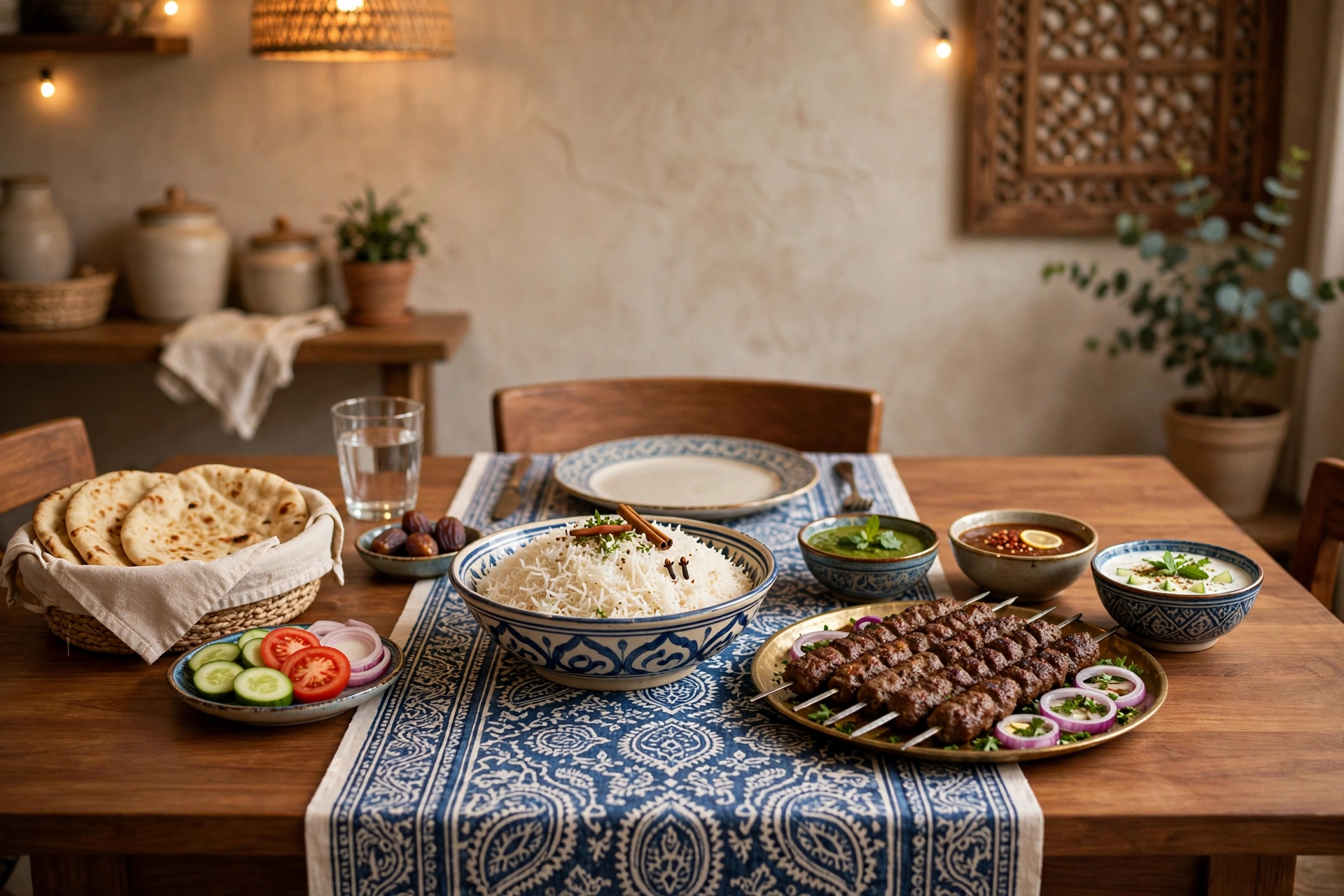
For a family meal, daal tarka can be the main dish, with rotis and salad. For a dawat, it can sit beside a main curry or kebabs, as a comforting, familiar dish that guests will return to. Either way, serve it hot, in a warm bowl, and do not let it sit too long after the tarka — the fragrance is best when fresh.
If the daal thickens as it sits, add a little hot water and stir gently to loosen it. Daal thickens naturally as it cools, and a splash of hot water will bring it back to a serving consistency without changing its flavour.
Learn everyday cooking in person
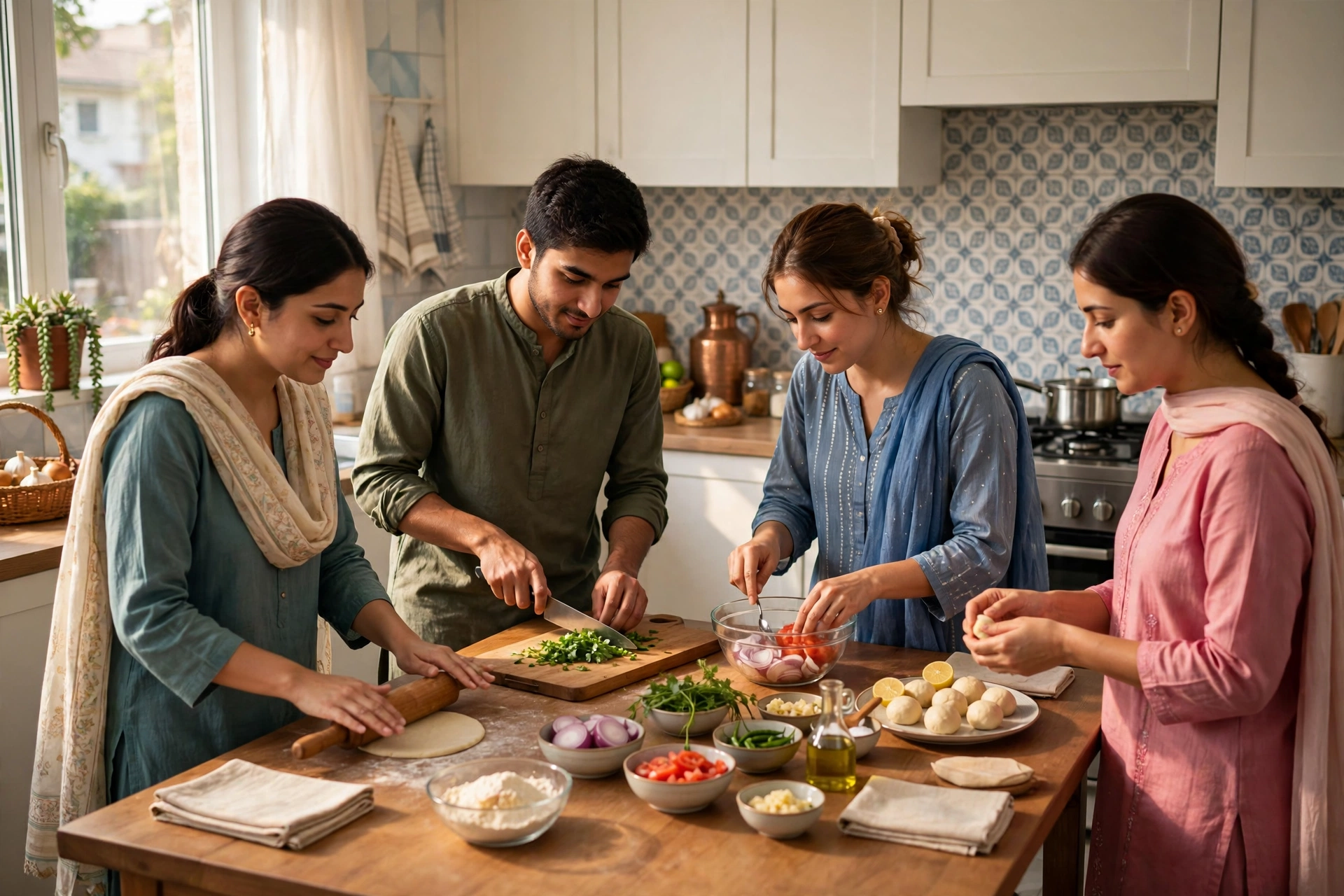
Daal, rotis, curries, karahi, BBQ, samosas, pakoras, chaat, chutneys, biryani and pulao are all covered in the Everyday Cooking Course. Classes are in person in Rawalpindi and Islamabad, hands-on, and in small batches. You register on the website and ARONISA calls to confirm the batch, timing, and fee. See the latest details and register for a course if you would like to learn daal tarka and other everyday dishes in person.
For a tangy accompaniment, Alu Bukhara Ki Chutney can sit beside daal and rotis, and chutneys are delivered across Pakistan.
FAQ
Why does my daal tarka taste flat?
Usually daal that was not cooked soft enough, or a tarka added when it was no longer hot. Cook the daal until creamy, and pour the tarka over while it is still sizzling hot.
Why does my garlic taste bitter?
Garlic burns quickly in hot ghee. Cook it only until golden, then remove the pan from the heat and add the tarka to the daal straight away.
Can I make daal tarka in advance?
Yes, cook the daal in advance, then make a fresh tarka just before serving. Fresh tarka gives the best fragrance.
A friendly next step
Cook the daal until soft, make the tarka hot and quick, and serve it straight away with rotis and salad. A perfect daal tarka is not complicated — it is well-timed.