
How do you cook for a crowd in wedding season? The answer is planning, not cooking more of everything. Wedding season means more guests, bigger tables, and celebrations that stretch over several days. A crowd menu that works is one that can be prepared in stages, served from large dishes, and enjoyed by guests arriving at different times.
Cooking for a crowd is different from cooking for a family dinner. A family dinner can be timed to the minute. A crowd meal needs food that holds well, dishes that can be refilled, and a table that does not collapse if guests arrive late. That is why menu choice matters more than cooking skill alone, and why cooking for a crowd is taught as a planning skill, not just a recipe skill.
This guide covers how to plan a wedding-season crowd menu, how to serve it, and how to stay calm while doing it. It draws on the Complete Kitchen Course, which covers dawat menu planning, plating, and cooking for a crowd.
Choose dishes that hold and refill well
For a crowd, choose dishes that taste good even after sitting for a while, and that can be made in large pots or trays. Rice dishes, curries, and karahi-style dishes often work well, because they can be kept warm and refilled without losing their character. Dishes that must be served immediately, or that go soft quickly, are harder to manage for a large group.
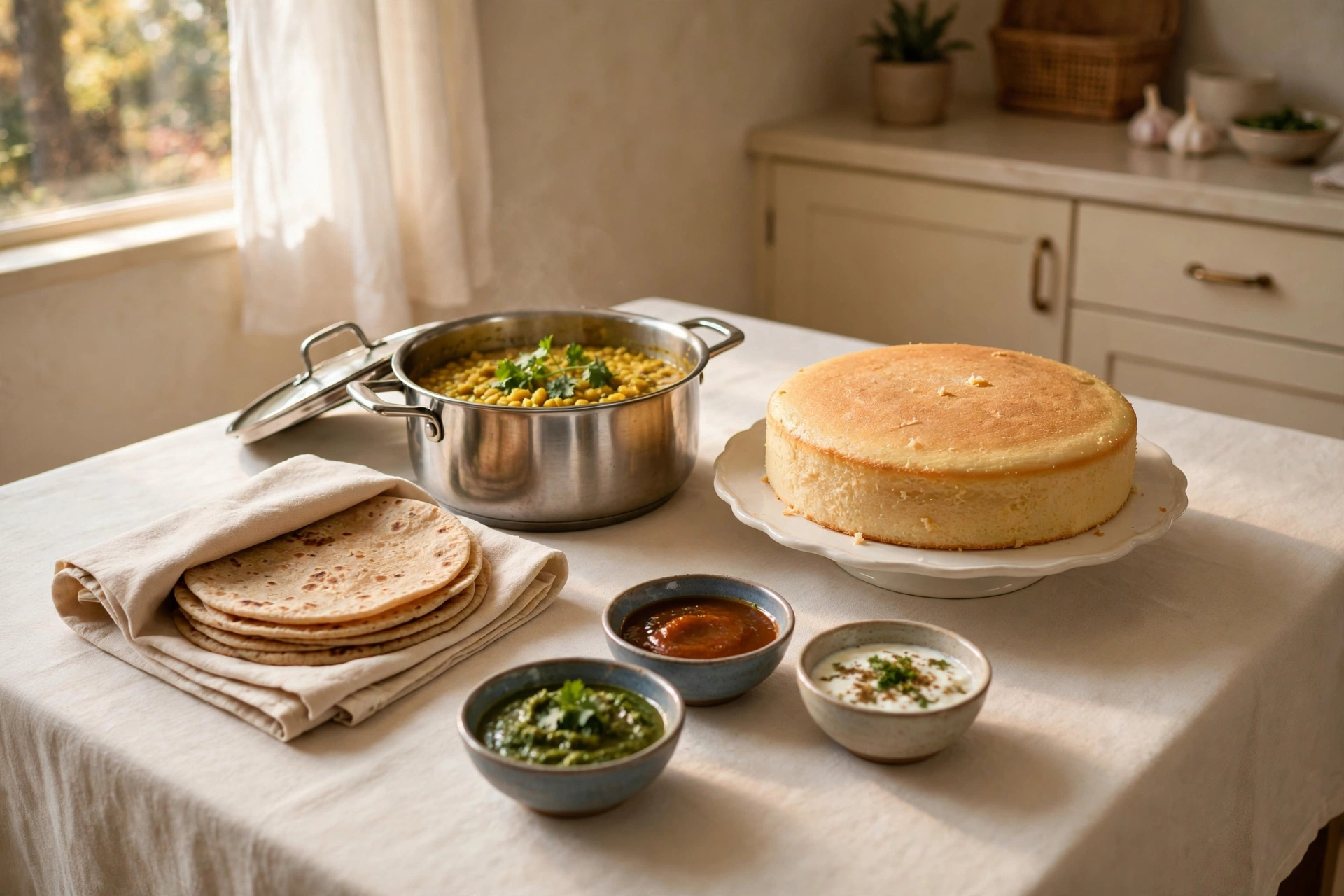
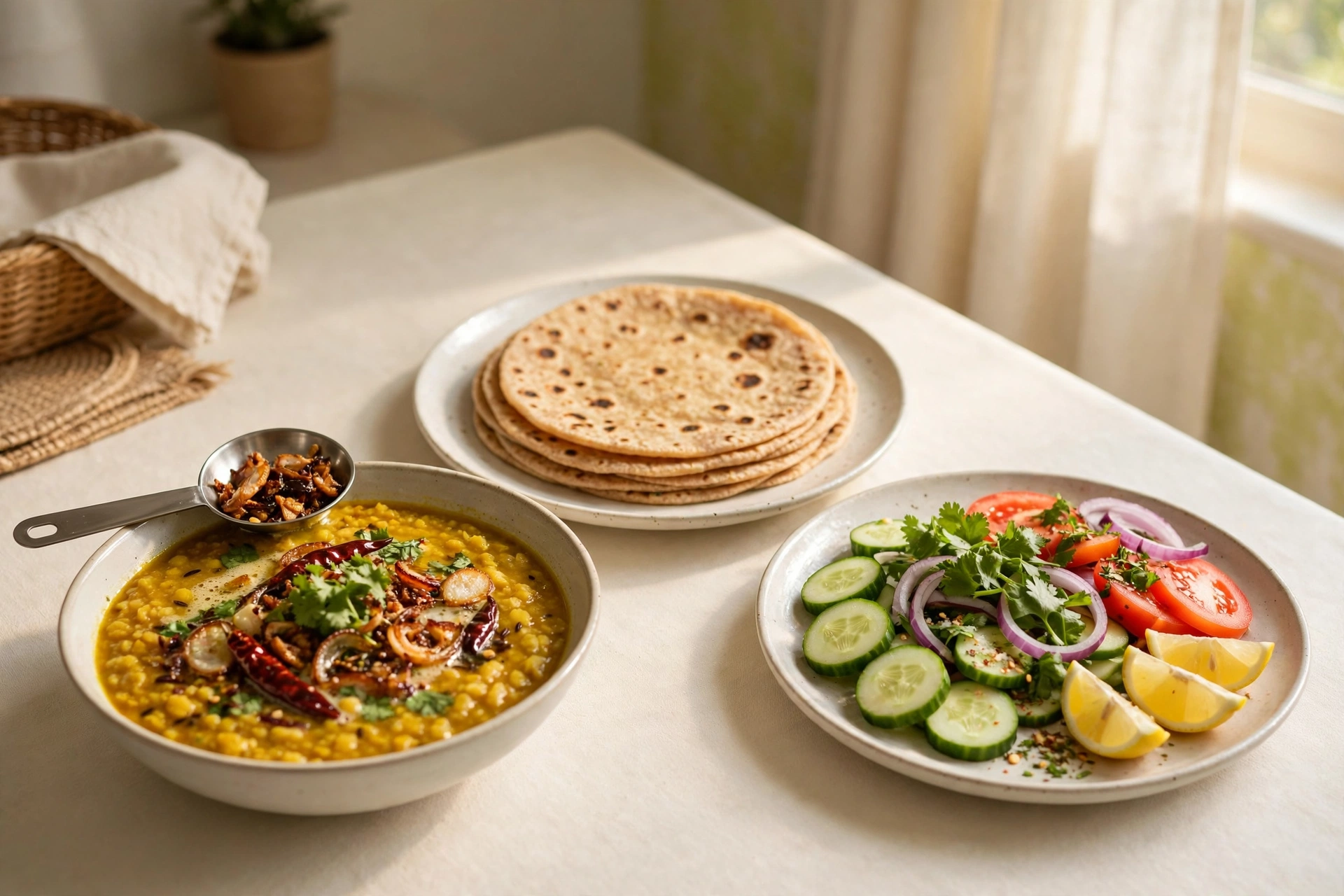
Plan the menu around a few strong dishes, rather than many small ones. Two mains, one rice or bread, a salad, and a few snacks or chutneys will feed a crowd more reliably than eight dishes that all need attention at once. Chutneys are especially useful for a crowd table, because they add flavour and colour without extra cooking, and guests can help themselves to as much or as little as they like.
Think about guests arriving at different times. Wedding-season guests often arrive in waves, not all at once. Food that can be served in batches, with fresh bread or rice brought out as needed, will suit that rhythm better than a single, timed serving. Keep serving dishes topped up, rather than putting everything out at once and hoping it lasts.
Plan quantities in general terms, and help where you can
Counting for a crowd starts with the guest list, then adjusts for who will actually eat, and for seconds. Some guests will eat lightly, others will ask for more, and children often eat less than adults but still need a plate. Plan for most guests to eat, with a little extra for seconds and late arrivals, and keep one simple extra on hand — extra bread, rice, or salad — rather than cooking a second main dish at the last minute.
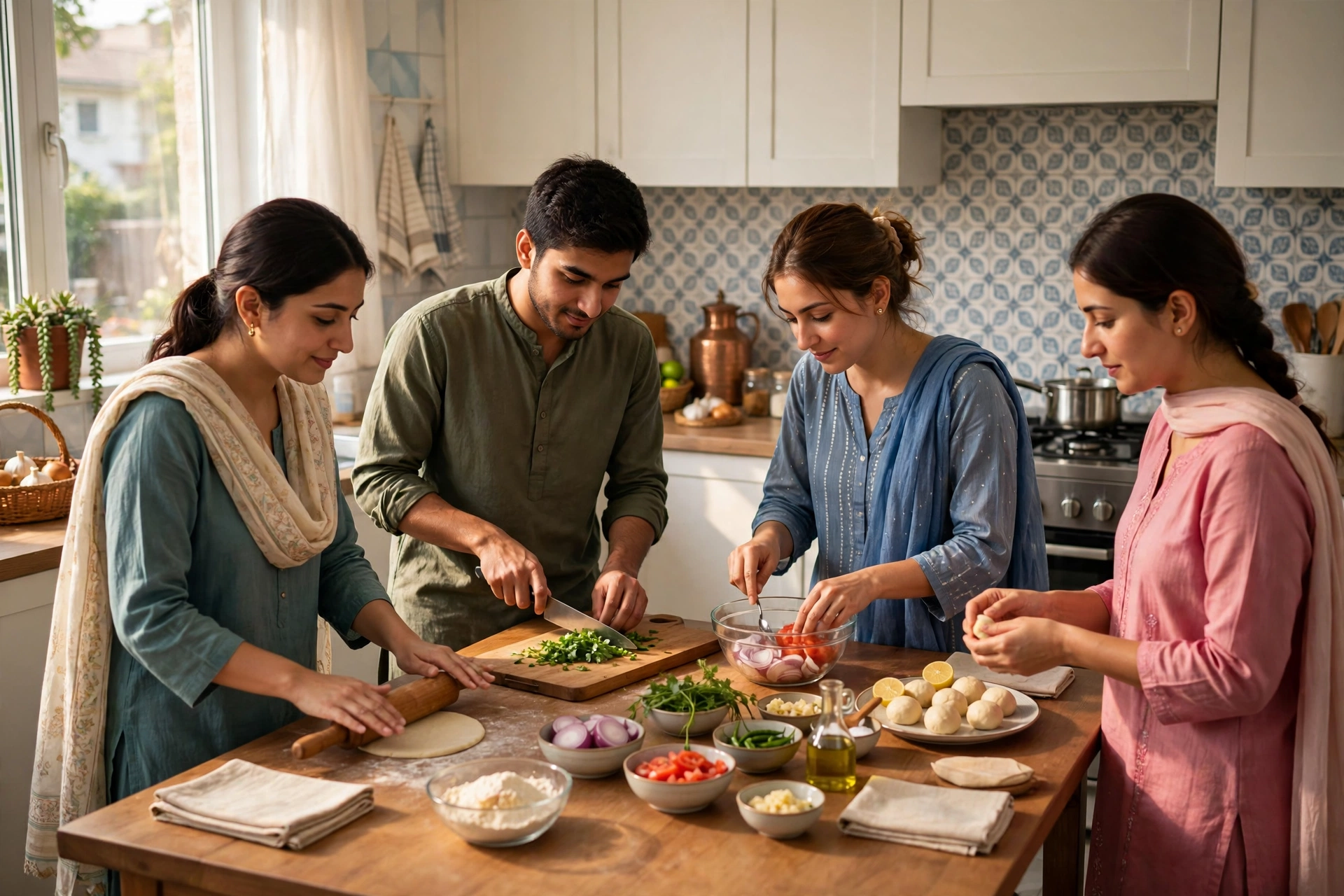
Help makes a crowd meal possible. Ask family members or friends to help with serving, refilling water, and clearing plates, so the host is not doing everything alone. A crowd meal is a shared effort, and guests often enjoy helping, especially at a wedding-season gathering. Assign simple jobs in advance: one person on drinks, one person on bread, one person on serving. That clarity prevents confusion when guests arrive.
Prepare what you can the day before, or earlier in the day: chutneys, salads, snacks, and any dish that improves with resting. On the day, focus on the dishes that must be fresh, and on setting a table that can handle a crowd: large platters, serving spoons for every dish, and space for guests to move and serve themselves.
Serve from large dishes, and keep the table welcoming
For a crowd, serve from large, shared dishes in the centre of the table, or from a serving table where guests can help themselves. Shared dishes suit wedding season, because they feel generous and they let guests choose what they want. Keep chutneys in small bowls within reach, and keep breads covered until serving time, so they stay soft.
Plating for a crowd does not need to be formal. It needs to be clean, generous, and easy to refill. Use bowls that are easy to carry, keep the table tidy as dishes empty, and replace empty dishes rather than leaving them on the table. A tidy table, even with simple dishes, feels more welcoming than a crowded table with empty bowls.
Finally, look after yourself as host. Eat before guests arrive, drink water through the evening, and take a moment to enjoy the gathering. A host who is tired and hungry will find a crowd meal stressful, while a host who is fed and rested will enjoy it, even with a large table to manage.
Learn crowd cooking in person
Cooking for a crowd, dawat menu planning, and plating are taught in the Complete Kitchen Course, which brings together everyday cooking and desserts and baking, plus dawat menu planning, plating, and cooking for a crowd. Classes are in person in Rawalpindi and Islamabad, hands-on, and in small batches. You register on the website and ARONISA calls to confirm the batch, timing, and fee. See the latest details and register for a course if you would like to learn crowd cooking in person.
For the table, The ARONISA Trio — Alu Bukhara Ki Chutney, Imli Ki Chutney, and Khubani Ki Chutney — can sit beside kebabs, rice, and shared dishes, and help a crowd menu feel complete. Chutneys are delivered across Pakistan.
FAQ
How many dishes should I cook for a crowd?
Keep it to a few strong dishes: two mains, one rice or bread, a salad, and snacks or chutneys. That is easier to manage and refill than many small dishes.
What if guests arrive at different times?
Choose dishes that hold well and can be refilled in batches, with fresh bread or rice brought out as needed, rather than a single timed serving.
How do I avoid running out of food?
Plan for most guests to eat, with a little extra for seconds and late arrivals, and keep a simple extra — bread, rice, or salad — on hand.
A friendly next step
For your next wedding-season gathering, choose a few dishes that hold well, plan in general terms, and ask for help with serving. A crowd meal planned this way will feel generous, not stressful.