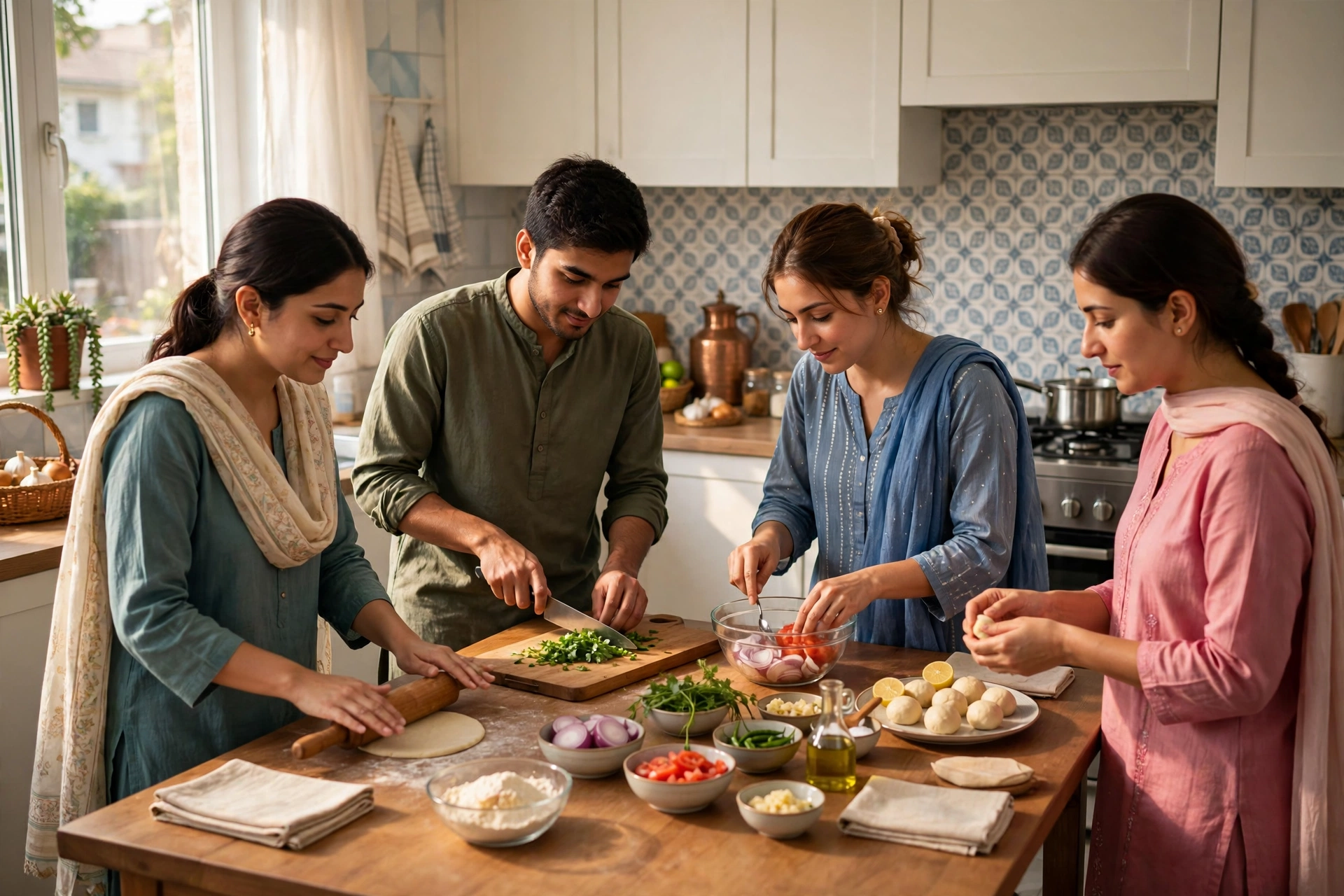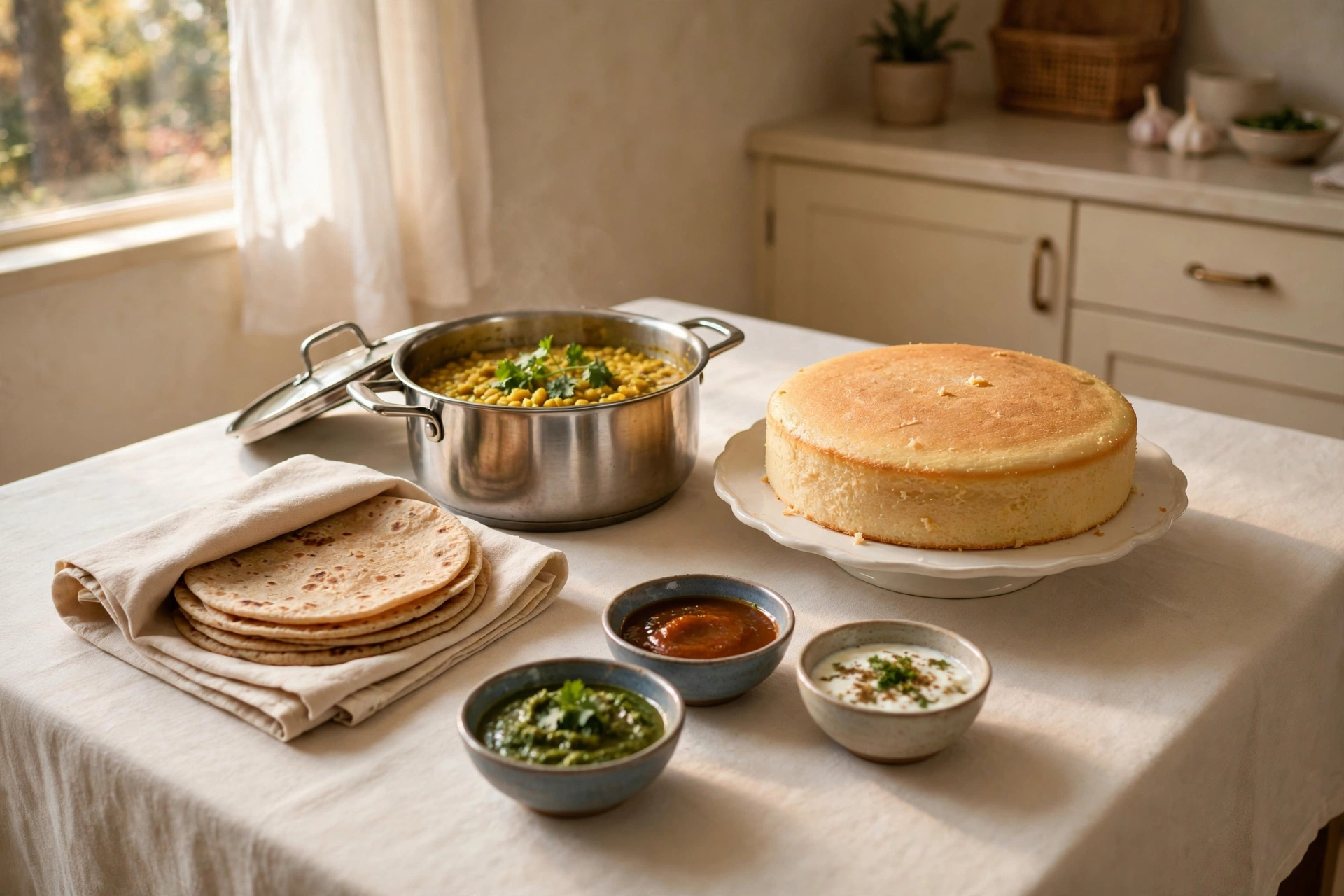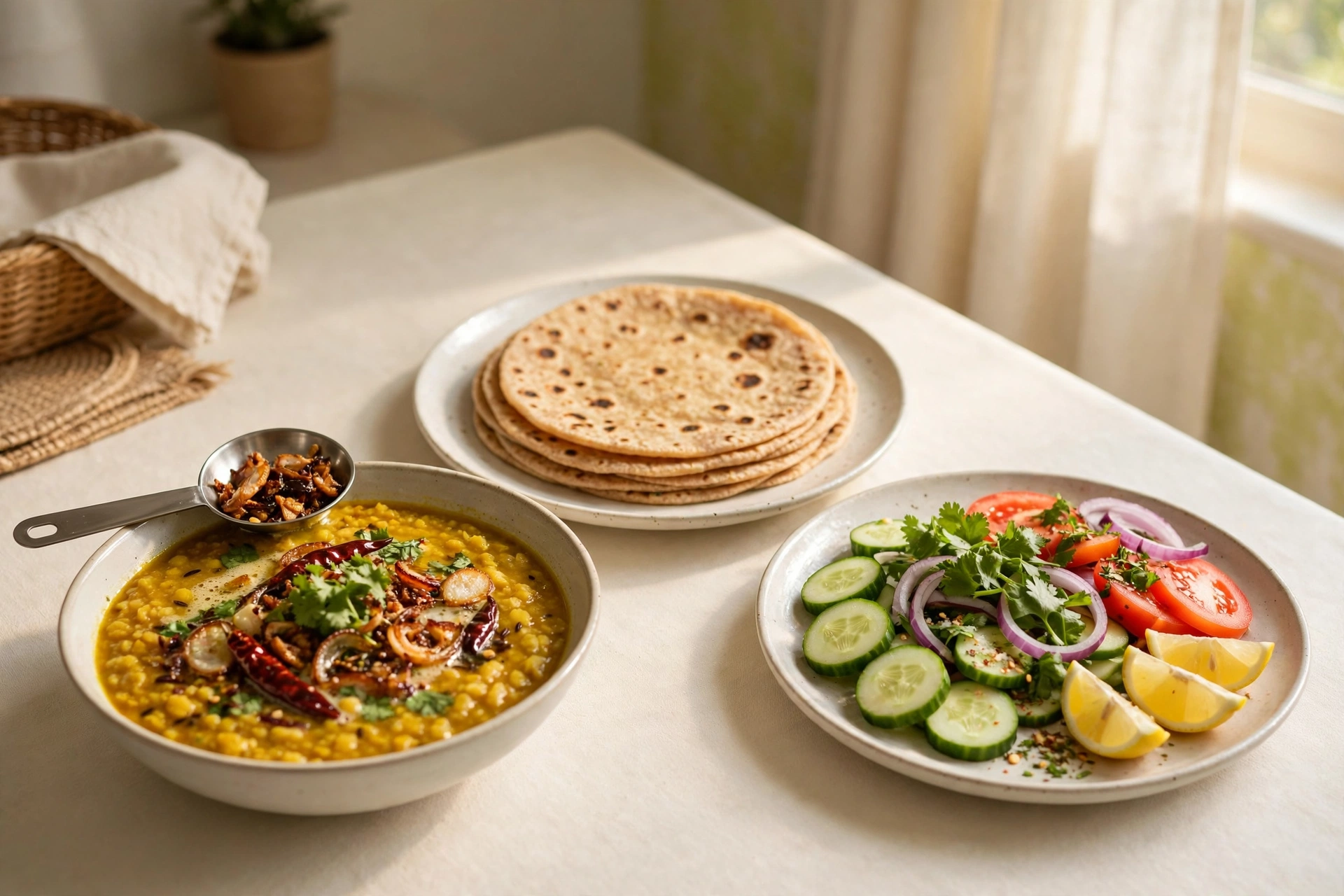

How do I host my first dawat? Start with a plan, not with panic. A dawat is not about cooking the most dishes, or the fanciest dishes. It is about guests feeling welcome, food arriving on time, and the host actually enjoying the evening. A simple plan, made in advance, makes all three possible.
If you have never hosted a dawat before, the hardest part is often deciding where to start. The menu feels endless, the timing feels uncertain, and the table feels like it needs to impress. It does not. A familiar menu, cooked well, served in good time, will always beat an ambitious menu that leaves the host in the kitchen all evening.
This guide gives you a step-by-step plan for a first dawat, from menu to plating to timing. It draws on the skills taught in the Complete Kitchen Course, which covers dawat menu planning, plating, and cooking for a crowd, alongside everyday cooking and baking.
Step one: choose a menu you can actually cook
Start with the number of guests, then choose a menu that fits that number and your confidence. For a first dawat, choose one main dish you cook well, one rice or bread, one salad or raita, and a few snacks or chutneys to start. That is enough. Guests do not need five mains, and a host who is calm and present is more welcoming than a host who is exhausted.
Think about balance on the table: something rich, something fresh, something soft, and something with a little tang. Chutneys help here, because a small bowl of chutney can lift a whole table without extra cooking. A kebab platter with chutneys beside it, for example, feels generous and looks inviting, without needing a second main dish.
Write the menu down, with quantities in general terms, and check what you already have at home. A written menu stops last-minute changes, and last-minute changes are what make a first dawat stressful. Once the menu is written, stick to it, unless a guest has a dietary need you must plan for.
Step two: plan the timing backwards
Work backwards from the time guests arrive. If guests arrive in the evening, plan when each dish will be ready, when the table will be set, and when you will change and rest before the doorbell rings. A dawat host needs a quiet half hour before guests arrive, not a rushed final hour in the kitchen.
Cook what you can in advance. Snacks, chutneys, and salads can often be prepared earlier in the day. Rice and breads are best fresh, but the dishes that go with them can be ready and waiting. Set the table early, so you are not arranging plates while guests are arriving. A table set in advance also helps you see what is missing — serving spoons, water glasses, extra plates — before it matters.
On the day, bring food out in stages. Start with snacks and drinks, then the main dishes, then dessert or chai. Guests do not need everything on the table at once, and staged serving keeps food fresh and the table manageable. It also gives you natural moments to check on guests, refill water, and enjoy the evening yourself.
Step three: plate simply, and serve warmly
Plating for a dawat does not need to be formal. It needs to be clean, generous, and easy to serve from. Use bowls and platters that suit the dish, leave space on the table for guests to reach, and put chutneys in small bowls where everyone can reach them. A crowded table looks busy, not generous, so leave a little breathing room.
Serve the main dish in a central platter, with breads or rice beside it, and salad in a separate bowl. Keep serving spoons with each dish, so guests do not have to ask. If you are serving a large group, consider serving from the kitchen in courses, rather than putting everything out at once. That keeps the table tidy and the food warm.
Most importantly, welcome people by name, offer them a seat and a drink, and do not apologise for the food. Guests come for your company, not for a restaurant meal. A host who is relaxed and attentive will make a simple dawat feel special, while a host who is anxious about perfection will make guests feel anxious too.
Learn hosting as a skill, not a talent
Hosting, like cooking, is a skill that can be learned. Menu planning, plating, timing, and cooking for a crowd are all taught in the Complete Kitchen Course, which brings together everyday cooking and desserts and baking, plus dawat menu planning, plating, and cooking for a crowd. Classes are in person in Rawalpindi and Islamabad, hands-on, and in small batches. You register on the website and ARONISA calls to confirm the batch, timing, and fee. See the latest details and register for a course if you would like to learn hosting in person.
For the table itself, The ARONISA Trio — Alu Bukhara Ki Chutney, Imli Ki Chutney, and Khubani Ki Chutney — can sit beside kebabs, parathas, and chaat, and help a simple menu feel complete. Chutneys are delivered across Pakistan, while ARONISA cakes are delivered in Rawalpindi and Islamabad only.
FAQ
How many dishes should I cook for my first dawat?
Keep it simple: one main you cook well, one rice or bread, one salad or raita, and a few snacks or chutneys to start. That is enough for a welcoming table.
When should I set the table?
Set it early in the day, well before guests arrive, so you can spot anything missing and have a quiet half hour before the doorbell rings.
What if I run out of food?
Plan for the people who will eat, with a little extra, and keep one simple extra on hand — extra bread, rice, or salad — rather than cooking a second main dish.
A friendly next step
Choose your menu, write it down, and plan backwards from guest arrival time. Your first dawat does not need to be perfect. It needs to be warm, well-timed, and enjoyed by everyone, including you.